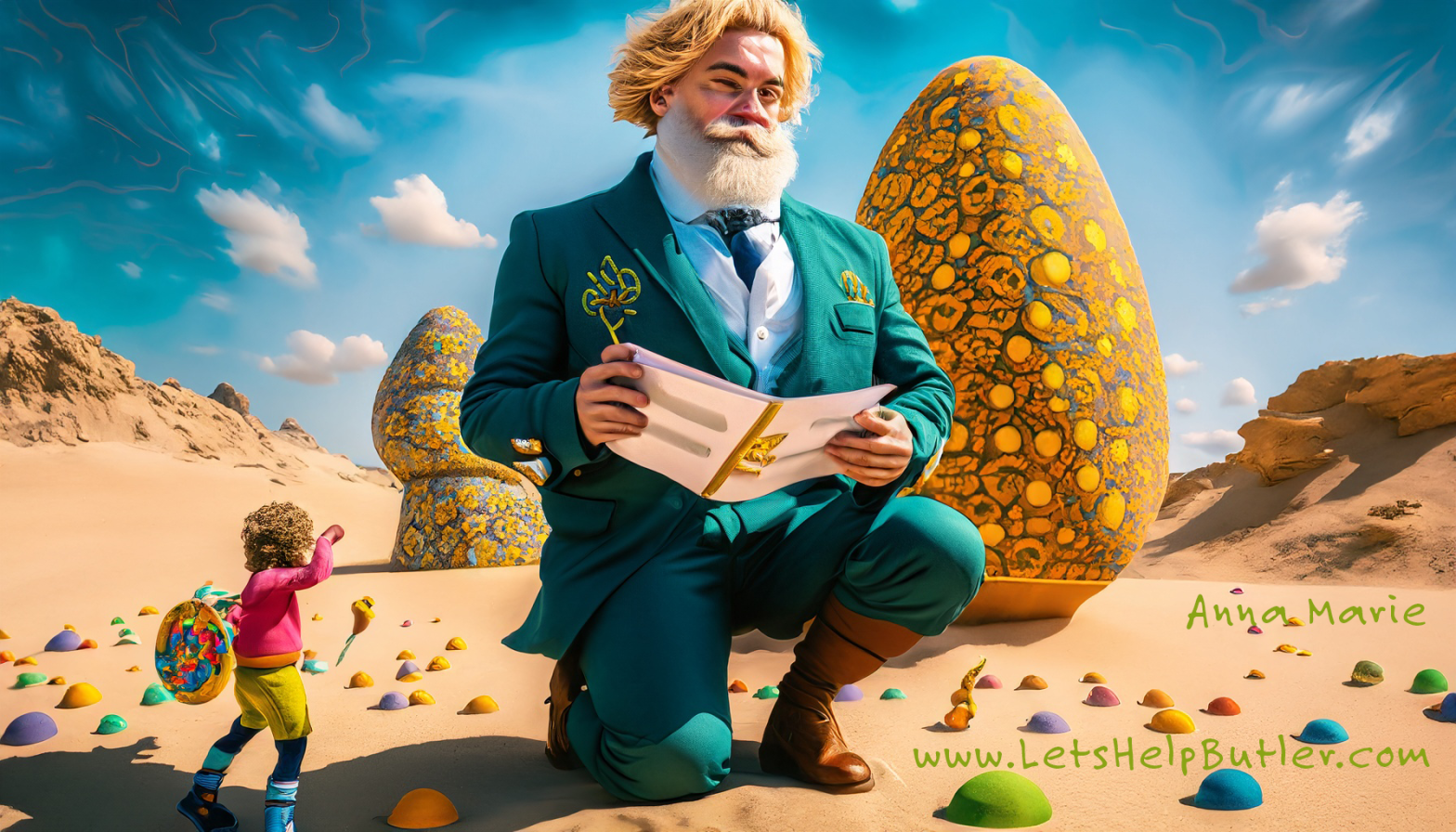
Hey, could you help me remember this stuff?
First off, I was thinking about how gods and giants in myths are pretty similar. They’re both super powerful and tied to nature, but gods are all about order and creation, while giants bring chaos and destruction. Still, they both play huge roles in shaping the world and its destiny.
Then, I started thinking about “worldly chaos”—you know, when everything seems to be falling apart on a global scale. It could be political drama, social unrest, or even natural disasters. This stuff affects everyone all around the world.
And then I remembered this phrase – “Call out to God, or the earth will cry.” It’s not actually in the Bible, but there are verses about reaching out to God in tough times and taking care of the Earth.
Oh, and the Bible talks a lot about worship, including that famous verse in Psalms. It’s cool to see how people connect with their faith differently.
I especially love the SPACES on the X platform and YOUTUBE LIVE.
By the way, I also love music and found this awesome lady who puts a unique spin on pop and puts BEAMS directly through hit songs. Check it out: https://youtube.com/@BeckahShae.
I also found this beautiful hymn, “This Is My Father’s World,” by Maltbie Davenport Babcock. It’s about appreciating nature and recognizing it as a creation of a loving creator. The melody is so serene and peaceful. I do hope you get a chance to find some TIME to SING out to The LORD!

In many mythological traditions, gods and giants share similarities in their portrayal and attributes. Both gods and giants are often depicted as powerful, larger-than-life beings connected to the natural elements and forces. They are usually seen as influential figures who hold sway over specific aspects of the world or the cosmos.
While gods are typically associated with order, creation, and maintaining the balance of the universe, giants are sometimes linked to chaos, destruction, and the untamed forces of nature. In some myths, conflicts or struggles between gods and giants symbolize the eternal battle between cosmic order and primordial chaos.
Both gods and giants are often portrayed as influential beings with the ability to shape the world and its destinies. They can possess immense strength, knowledge, and magical abilities and are often involved in larger-than-life feats and conflicts that impact the fabric of existence.

Furthermore, in certain mythologies, there are instances where gods and giants share familial connections or interact with each other in various ways, further blurring the lines between them.

In summary, gods and giants in mythology often share similar traits of immense power, influence over the natural world, and involvement in the grand tapestry of cosmic events. However, they may embody different aspects of creation, destruction, order, and chaos.
Worldly chaos can refer to a state of disorder, instability, or upheaval on a global or international scale. It often encompasses a range of issues, such as political upheaval, social unrest, economic instability, environmental crises, and conflicts between nations or groups.
Worldly chaos can manifest in various forms, including humanitarian crises, natural disasters, diplomatic tensions, or other significant challenges that impact the world at large.
Kinda like TODAY, I would have to SAY!!!!
These events can have far-reaching implications and affect societies, economies, and individuals across different countries and regions.
Starting in 2020, the world experienced a series of major events that caused widespread disruption and chaos. The outbreak of the COVID-19 pandemic had a significant impact on global health, economies, and everyday life. Additionally, there were widespread protests and social unrest in various parts of the world, along with natural disasters such as floods, earthquakes, wildfires, and hurricanes. These events have had profound and far-reaching effects on societies, economies, and governance structures globally. So, who will rebuild after all this CHAOS?????
It would take a long time to list all earthquakes worldwide in ABC order since 2020, as numerous earthquakes have been recorded globally during this time frame.
However, you can find detailed information on earthquakes by accessing reliable geological and seismological databases or websites such as the United States Geological Survey (USGS) or the European-Mediterranean Seismological Centre (EMSC). These sources provide comprehensive and up-to-date information on earthquakes around the world.
The phrase “Call out to God or the earth will cry” is not explicitly stated in the Bible. However, the Bible contains numerous verses and passages that emphasize the importance of calling out to God in times of distress, seeking His guidance, and acknowledging His sovereignty over the Earth and all creation.
The concept of the Earth crying out is also mentioned in various verses, particularly in reference to the consequences of human actions and the need for stewardship over the natural world.
The Bible mentions the act of worship in various places.
One well-known verse is found in the book of Psalms 95:6, which says, “Come, let us bow down in worship; let us kneel before the Lord our Maker.”
I’m not sure if I will cry, sing, or bow down when I meet YESHUA, but I worship in many ways. Worship is also referenced in many other verses throughout the Bible, and each passage provides insight into the importance and nature of worship.
Because I LOVE MUSIC ~ https://youtube.com/@BeckahShae ~ here is that lady who takes POP and HITS beams RIGHT through it! She is quite the WARRIOR in her song; it helped me DANCE!
The hymn “This Is My Father’s World” by Maltbie Davenport Babcock beautifully captures a sense of reverence and wonder for the natural world. Its lyrics express gratitude for the beauty and harmony of nature, attributing it to a loving and divine creator. The hymn encourages stewardship and responsibility towards the environment while celebrating the grandeur of nature. Set to a gentle and flowing melody, “This Is My Father’s World” evokes feelings of peace and tranquility, reflecting the hymn’s themes of humility and gratitude.
Maltbie Davenport Babcock was a notable American clergyman and writer who authored several hymns.
His most famous hymn is “This Is My Father’s World,”
This is my Father’s world,
And to my list’ning ears
All nature sings, and round me rings
The music of the spheres.
This is my Father’s world:
I rest me in the thought
Of rocks and trees, of skies and seas—
His hand the wonders wrought.
This is my Father’s world:
The birds their carols raise,
The morning light, the lily white,
Declare their Maker’s praise.
This is my Father’s world:
He shines in all that’s fair;
In the rustling grass I hear Him pass,
He speaks to me everywhere.
This is my Father’s world:
Oh, let me ne’er forget
That though the wrong seems oft so…
https://hymnary.org/page/fetch/FBHW1922/9/low
“This Is My Father’s World” expresses awe and reverence for the beauty and wonder of the natural world. The lyrics reflect the belief that the Earth and all its beauty and harmony are the creation of a loving and divine creator. It encourages a sense of stewardship and responsibility towards the environment and all living creatures. The melody for “This Is My Father’s World” is gentle and flowing, with a comforting and peaceful quality.
The music sheet is available at the link above.
It seems to follow a simple, hymn-like structure, allowing the focus to remain on the lyrics and the message they convey.
The melody seems easy to sing and evokes a sense of reverence and tranquility, reflecting the theme of the lyrics.
The hymn celebrates the grandeur of nature and conveys a message of gratitude and humility. As we should in everything, we do in LIFE.
The color green has various symbolic meanings across different cultures and contexts. In general, being “green” often refers to someone or something being environmentally conscious, sustainable, or ecologically friendly.
It can also signify youth, growth, harmony with nature, and freshness. Additionally, “green” can also represent inexperience or naivety, particularly in certain idiomatic expressions. The color green carries diverse and often positive connotations across different cultural and linguistic settings.
I’m not GREEN in any way TODAY, but other beings in TIME have been.
From the deities associated with the color green, the ones that start with the letter “G” include:
- Gaia: In Greek mythology, Gaia is the personification of the Earth and one of the Greek primordial deities.
- Green Tara: In Tibetan Buddhism, Green Tara is a female Bodhisattva known for her compassion and is depicted in green.
These OTHER deities are linked with the color green, and their names begin with the letter “G.”
In Egyptian mythology, several gods are associated with the color green, often symbolizing fertility, growth, and rebirth. Here are some of them:
- Osiris: He is the God of fertility, agriculture, the afterlife, resurrection, life, and vegetation. Osiris is classically depicted as a green-skinned deity, symbolizing rebirth and the fertile Nile River1.
- Geb: As the God of the Earth, Geb is sometimes shown with green skin, representing his power over vegetation and the earth2.
These gods are integral to the Egyptian pantheon and reflect the ancient Egyptians’ deep connection to the natural world and the cycle of life and death.
In addition to the deities I mentioned earlier, here are some other figures associated with the color green in various mythologies:
- Venus: In Roman mythology, Venus, the goddess of love, beauty, and fertility, is associated with the color green. The Veneralia Festival, held on April 1 each year, honored Venus1.
- Tapio: In Finnish mythology, Tapio is a forest god or spirit, often depicted with green skin or green leaves, similar to the Green Man in British and European folklore1.
- Rusalka: In Slavic folklore, a Rusalka is a supernatural entity believed to live in lakes. It is usually depicted with green hair or green skin1.
- Tara: In Tibetan Buddhism, Green Tara is a female Bodhisattva and a deity of compassion. She is known for her green color, which symbolizes active compassion and the success of beneficial activities.
- Amoghasiddhi Buddha: Also in Tibetan Buddhism, Amoghasiddhi Buddha is one of the Five Wisdom Buddhas and is associated with the color green, representing the accomplishment of all actions.
These figures are often depicted in green to symbolize their connection with nature, fertility, life, and growth. Green has a positive connotation in many cultures and is frequently linked to deities or spirits that embody these life-affirming qualities.
In various mythologies, green is often associated with nature, fertility, and rebirth. Here are a few deities that are linked with the color green:
- Demeter: In Greek mythology, Demeter, the goddess of the harvest and agriculture, is often associated with the color green, reflecting her connection to the growth and fertility of the Earth.
- Freyr: Although not directly associated with the color green in Norse mythology, Freyr, the God of fertility, prosperity, and harvest, is sometimes depicted in green by modern illustrators to emphasize his role in agriculture and growth.
These gods represent the life-giving aspects of nature and the color green, which symbolizes life, renewal, and the Earth’s bounty.
Branding and marketing have played a significant role in shaping how traditions mix with culture, particularly regarding the associations with gods and the color green.
Through branding and marketing efforts, various symbols, colors, and themes have been co-opted and incorporated into products and campaigns, which in turn have influenced the way certain concepts are perceived and interpreted within a cultural context.
This blending of traditions with marketing has led to the creation of new customs, the reimagining of existing ones, and the shaping of a distinct sense of identity and symbolism surrounding gods and the color green.

The Green Giant is a well-known mascot used by the Green Giant Company, which is a producer of canned and frozen vegetables.
The character of the Green Giant was created in 1925 by the Minnesota Valley Canning Company, which later became the Green Giant Company. The jolly and towering Green Giant is often depicted as a friendly, smiling figure dressed in a leafy tunic and a crown made of green leaves.
The character has been used in various advertising and marketing campaigns to promote the company’s line of vegetables, becoming an iconic and beloved symbol of healthy and wholesome food products.
The company’s culture reflects a deep respect for tradition and a strong emphasis on creativity and innovation. Employees are encouraged to draw inspiration from diverse cultural sources and are given the freedom to explore new ideas while honoring the company’s rich heritage. The culture is one of collaboration, where ideas and perspectives from different backgrounds are valued and integrated into the overall branding and marketing strategies. Overall, the company’s culture is marked by a blend of tradition, creativity, and inclusivity.
The company uses a combination of eco-friendly materials for packaging, striving to minimize its environmental footprint. This includes recyclable cardboard, paper, and biodegradable materials, in line with its commitment to sustainability. Additionally, the company may also use reusable or compostable packaging options to further support its environmental goals.
Giants are often represented in mythology and folklore as powerful, massive beings with a strong connection to the natural world. In many myths, giants are depicted as elemental forces closely associated with the Earth, mountains, and the forces of nature. They are sometimes portrayed as guardians of the land or as builders of ancient structures, reflecting their immense strength and endurance.
In various mythologies, giants are also described as fierce and formidable adversaries, capable of causing great destruction or creating natural wonders, depending on their temperament. Some stories depict them as wise and benevolent, while others portray them as aggressive and hostile.
The representation of giants in the divine element often symbolizes the primordial and untamed aspects of nature, embodying both the awe-inspiring grandeur and the potential danger inherent in the natural world. Their portrayal reflects humanity’s reverence, respect, and, at times, fear of the immense power of nature.
In summary, giants in the divine element are often depicted as larger-than-life entities closely entwined with the forces of nature, carrying both positive and negative connotations that reflect the complex relationship between humanity and the natural world in various mythologies.
Since I’ve been called to pray for THE TALL ONES ~ I do wonder ~ LOTS about the PLOTS at hand!
des·ti·ny
/ˈdestənē/
noun
the hidden power believed to control what will happen in the future, fate.” he believes in destiny.
“Destiny, fate, and lot mean a future that someone or something will have.
The events that will necessarily happen to a particular person or thing in the future.” she was unable to control her own destiny”
Destiny and fate both suggest that the future has been decided or planned by God or by some godlike power.
Destiny often suggests a future that includes something great and important.
Remember that Fate is something that is predetermined by an outside force, while Destiny is determined by the choices and actions taken by an individual.
Think of Fate as something that is out of your control, while Destiny is something that you can control through your choices and actions.
Different denominations and theologians within Christianity may interpret the will of God in various ways, discussing topics such as providence, predestination, moral decision-making, and discerning God’s guidance through prayer and meditation.
The word I like is DUTY.
Let’s Talk 💖 Anna Marie (202) 709-HELP [4357] for Social Media Planning, Business Organization Collaboration, Grant Writing Services, Event Planning, or Community Outreach in or around Butler County, Pennsylvania. 💖 Anna Marie
www.LetsHelpButler.com
Looking for Business Marketing or Social Media Advertising HELP?
Reach out soon; I’m sure together we can fix ANY problem with precise due diligence without hiring an employee! 💖 Anna Marie
(202) 709 – HELP [4357] Please leave a Text or Voice Message.
Email me 🌻 Please provide as much detail as you are willing to release, as it will allow me to prepare for our initial conversation. AnnaMarie@LetsHelpButler.com
Community Awareness Butler County Pennsylvania on Facebook
Jobs in and around Butler County Pennsylvania on Facebook
Butler County PA Collation of Churches on Facebook
Let’s Help Butler Anna Marie on Twitter
I have Personal and Professional values, PLUS integrity, honesty, & the SKILLS to promote IDEAS that get the recognized attention it deserves!
Visit Let’s Help Butler.com to find more information about me and the things I care about!
💖 Anna Marie
I hope to hear from you soon.

Tamarisk: Spiritual Symbolism and Ecological Value
The tamarisk tree symbolizes resilience, purification, and restoration, though it is underutilized in modern herbal medicine. Its story, especially relating to Hagar from the Bible, illustrates its role as a metaphor for hope and divine provision in adversity. The tree’s physical properties include being drought-resistant and salt-secreting, with parts used in traditional medicine for detoxification…

Navigating Life’s Rollercoaster with Integrity
Life’s unpredictable, like a rollercoaster, and reminds us that compassion should lead our journey instead of ego.
This post humorously highlights trading ambitions for the beauty of humility and grace symbolized by a floral crown, because the global challenges since 2020 have turned collective healing into an essential endeavor, urging us to move past…

The Lantern Keepers
Once upon a time, a band of kids known as the Rainbow Warriors defied life’s storms, bringing a flickering lantern of hope instead of swords or torches. With a color-coded emotional toolkit, they boldly ventured into the war zones of anger and hate, wielding love and patience like superheroes without capes. Their mission? To listen,…

 Let's Talk 💖 Anna Marie